The National Trust’s many properties are all beautifully maintained glimpses in to various eras of the past, but there are some that are just a bit more special than others and Cragside is one of them.
Partly it’s the fact it is set in the stunning countryside of Northumberland, with its own extensive grounds. But mainly it’s just such a unique house. From humble beginnings as a shooting lodge it has been expanded and modernised until it came to be the imposing building it is today with its archways and chimneys.
Built as a hunting lodge by William Armstrong in 1862, the engineer and inventor then decided to enlarge the property adding various mod cons. After Armstrongs death his heirs struggled to maintain the house and death duties and taxes led to the house and grounds being sold to the National Trust in 1977. It has been open to the public since 1979.
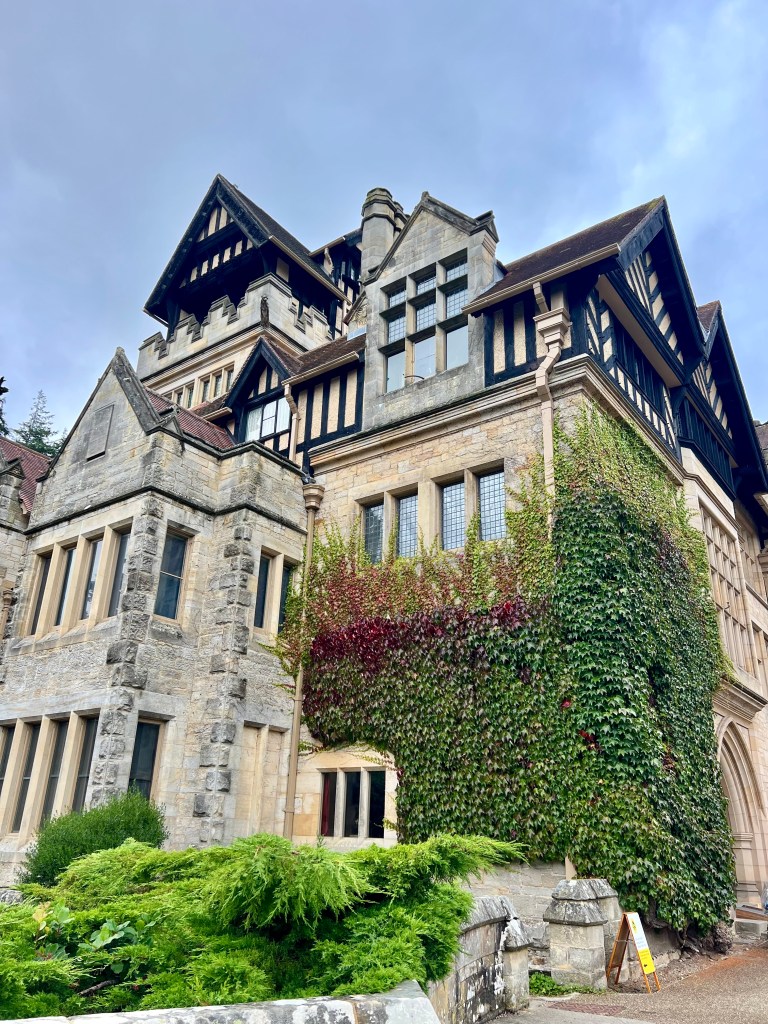
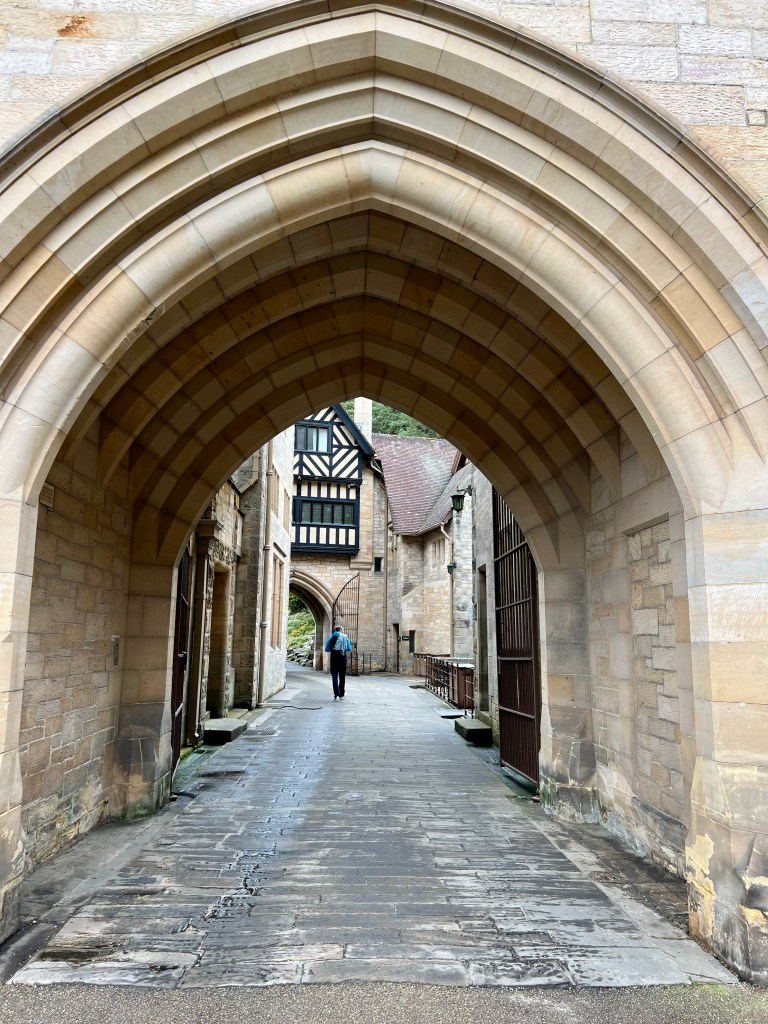
The House
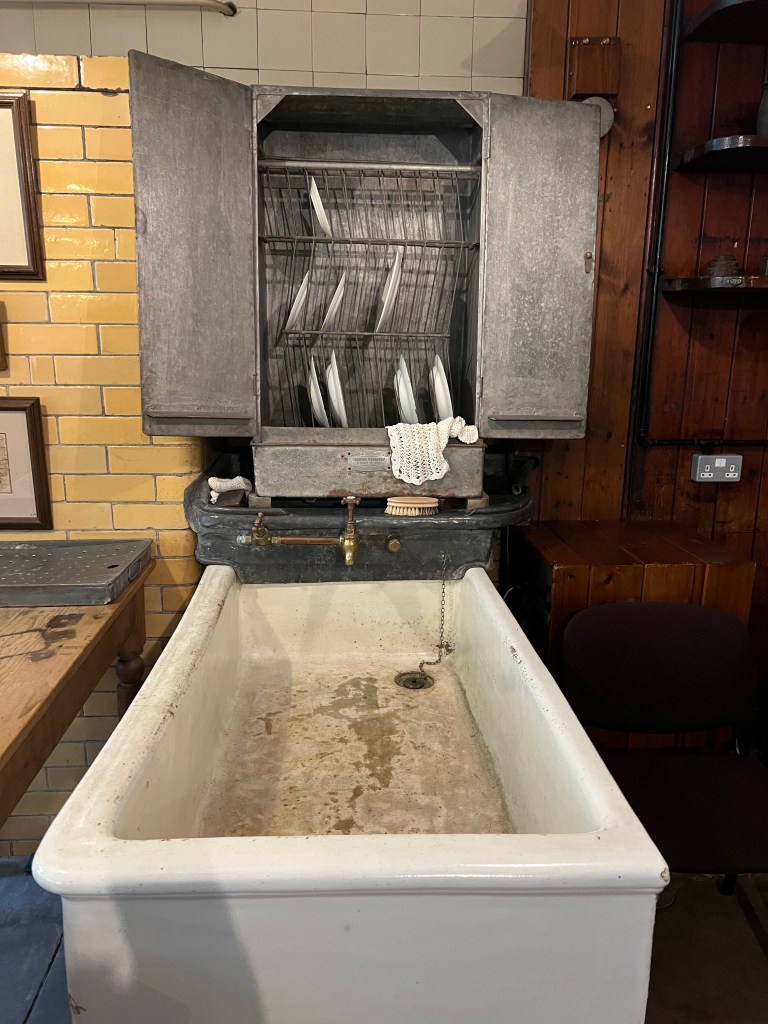
The self guided route around the house reveals surprise after surprise. We started in the kitchens and pantry which is always my favourite part of an old house. Cragside is the original smart house with a hydroelectric rotisserie for the meat roasting by the fire and primitive versions of a dumb waiter and dishwasher.
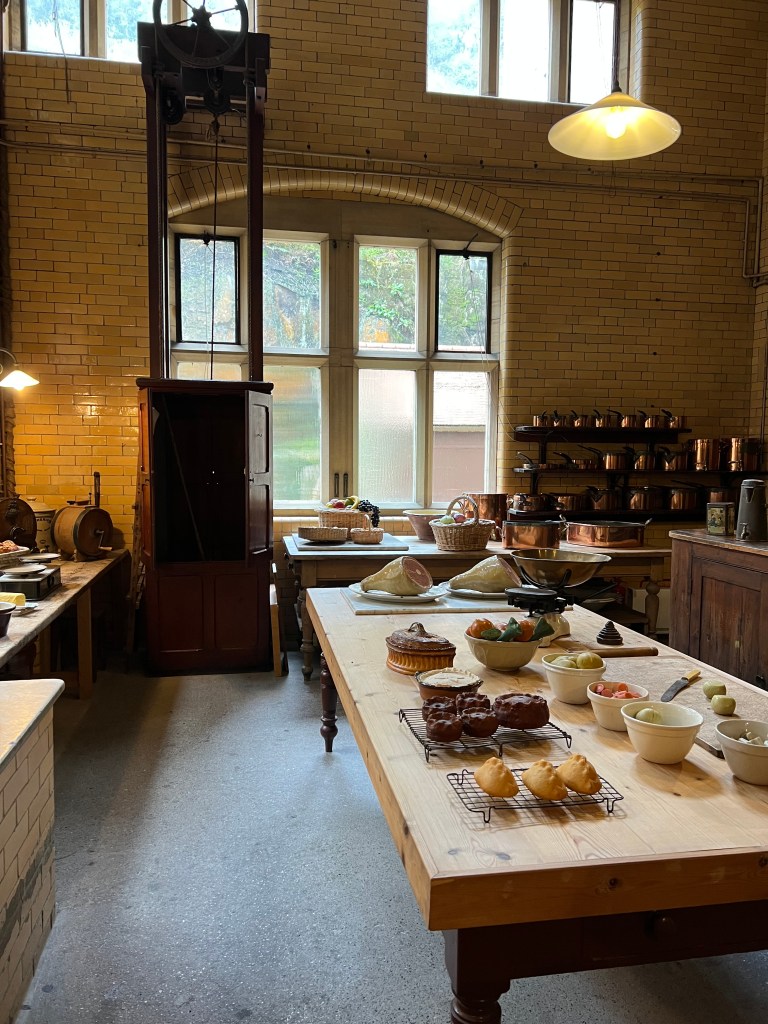
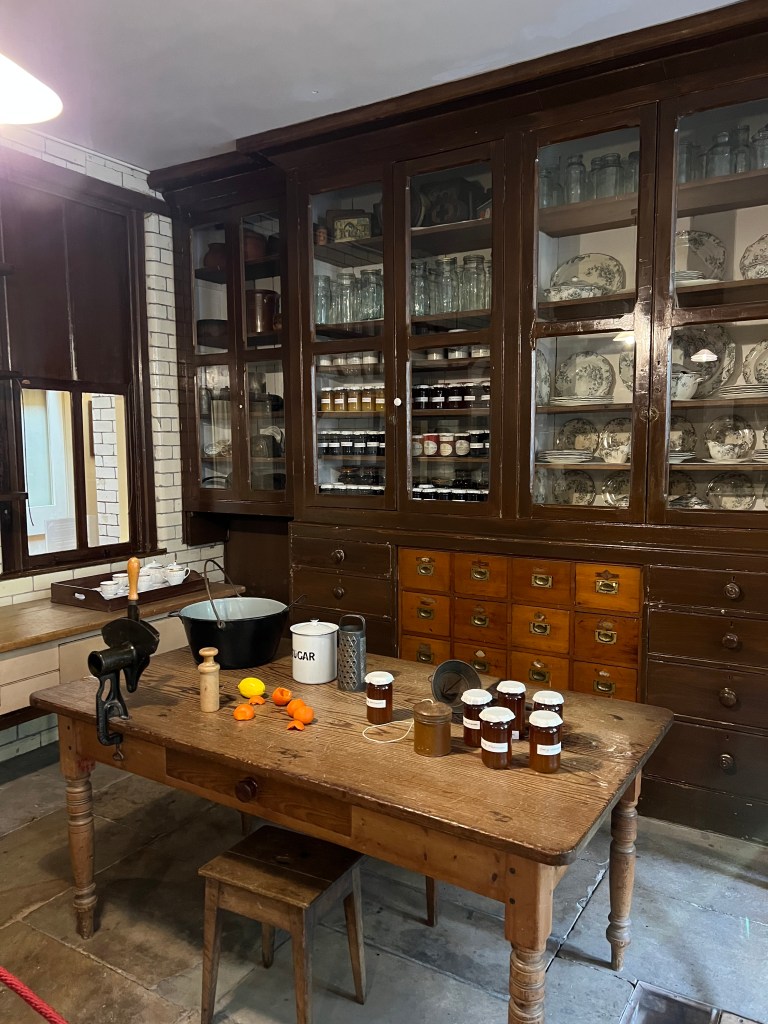
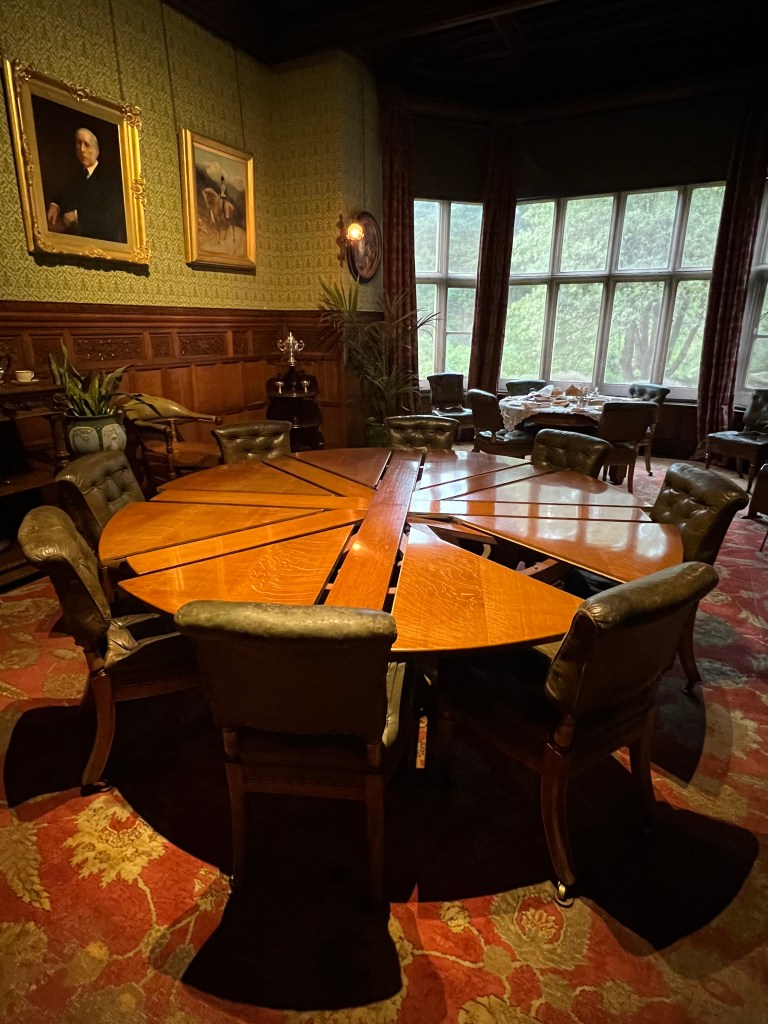
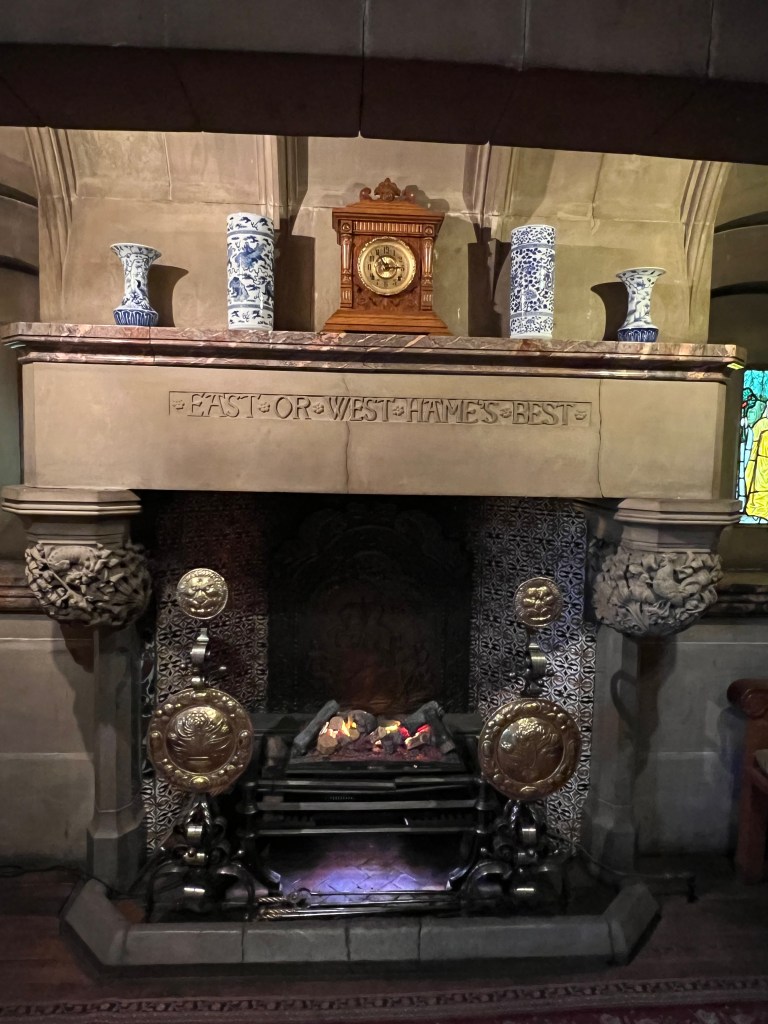
The downstairs rooms are cosy and comfortable as well as having some spectacular furniture, fireplaces and architecture. Cragside was the first house to be lit with hydroelectricity and also the first domestic room in the world to be lit with Swan’s incandescent light bulbs.

We were told not to miss going down in to the cellars and were surprised to find a miniature Turkish bath in one the basements with a elegantly Delf tiled plunge bath, hot and cold rooms, a shower and flushing toilets. This area was installed in 1870 and the rooms were heated through metal grates in the floor that covered the pipe work heated by the boiler below.
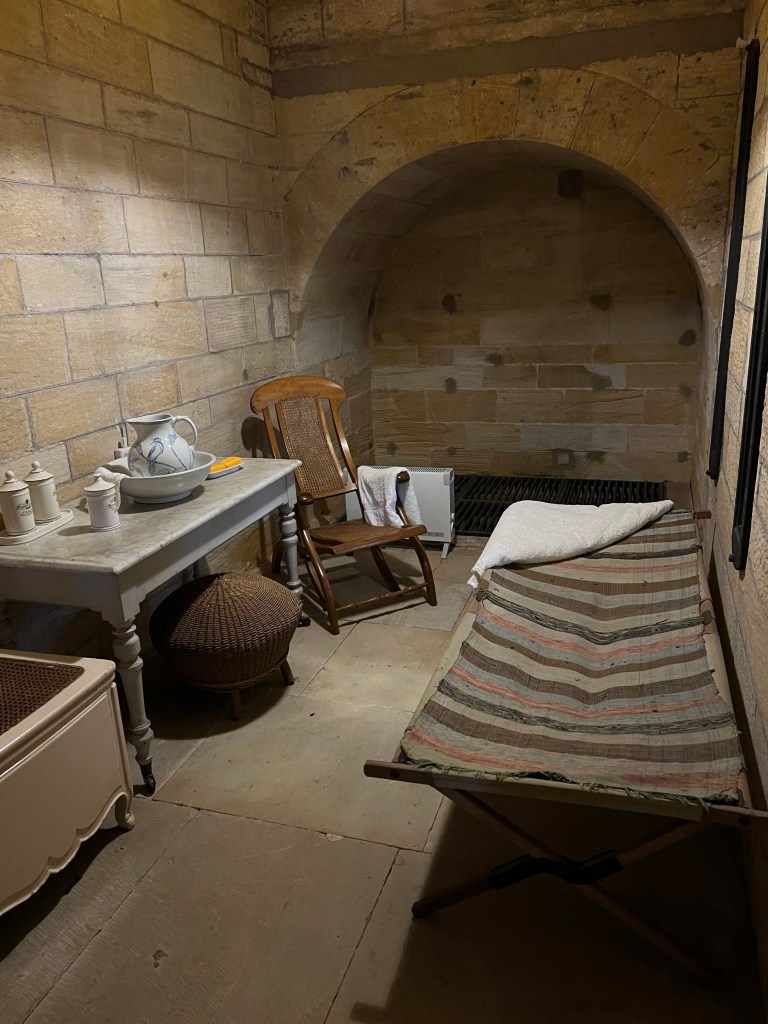
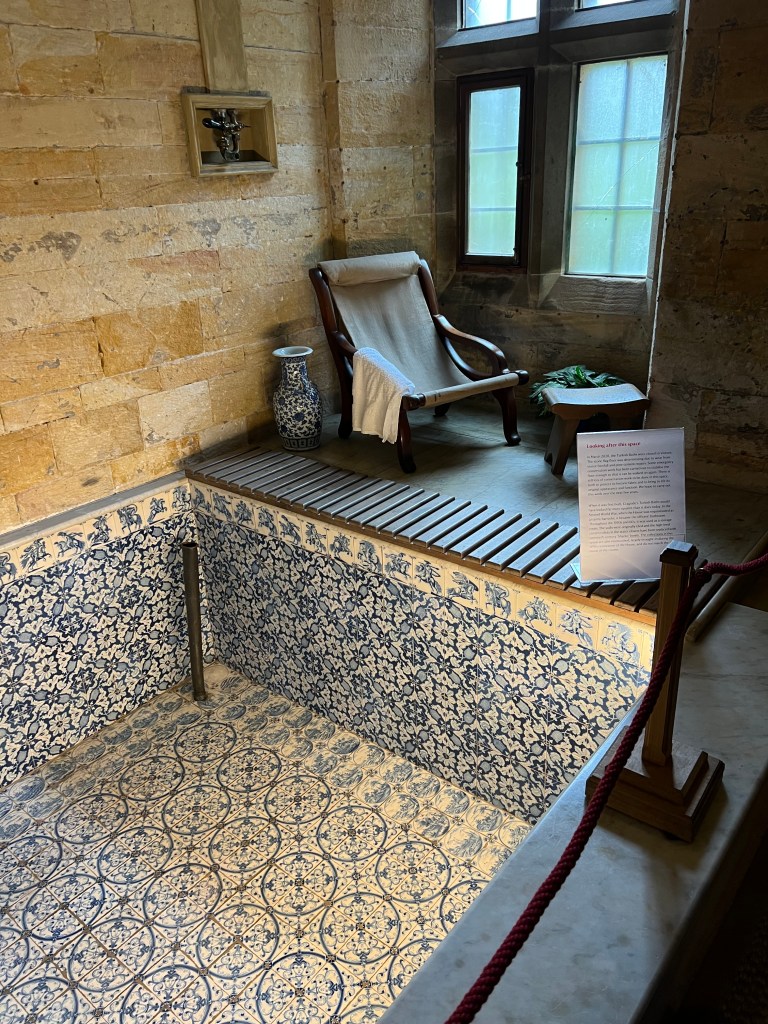
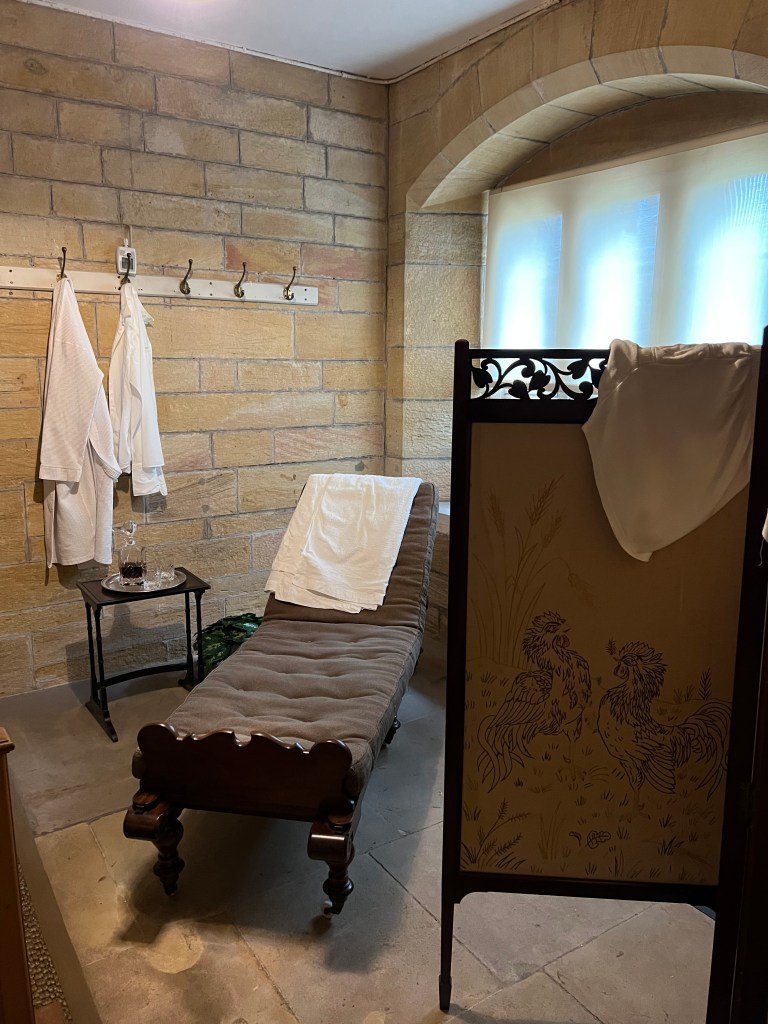
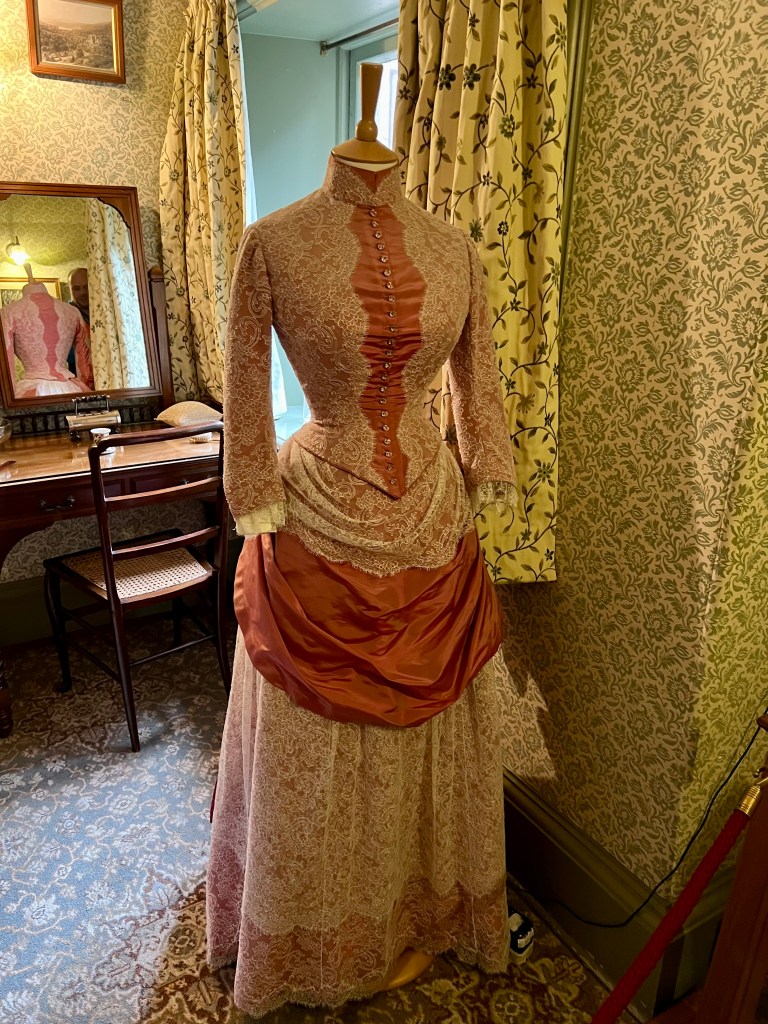
Further exploration of the upstairs of the house takes you through bedrooms, dressing rooms and cedar lined rooms to keep the bugs away.
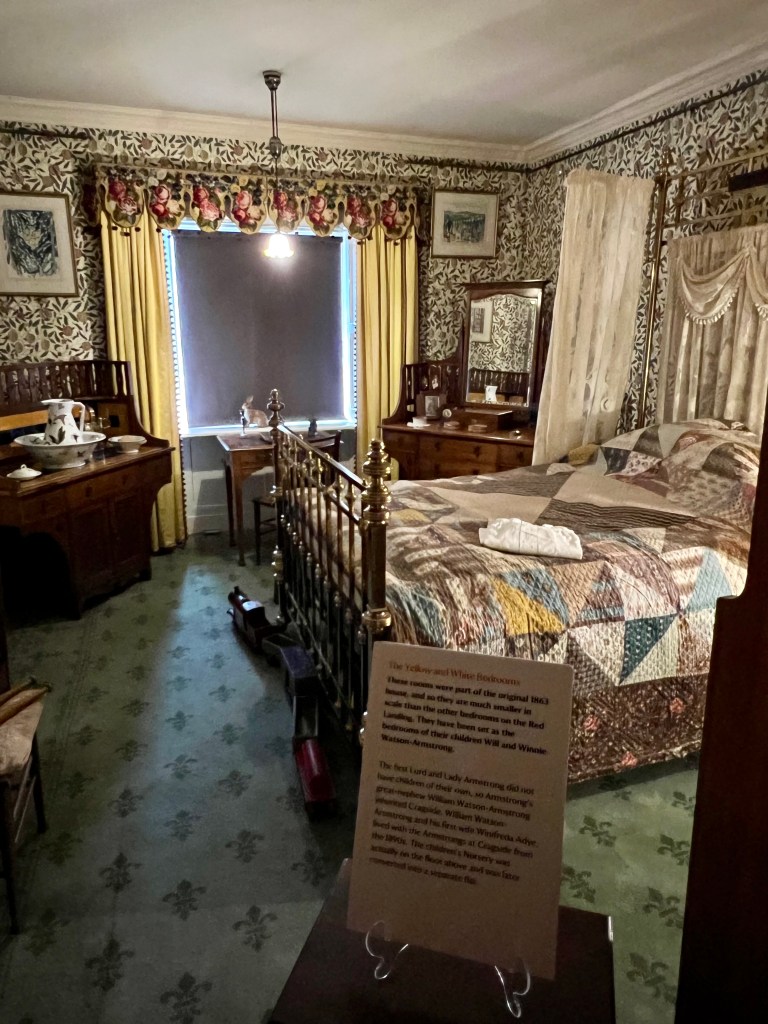

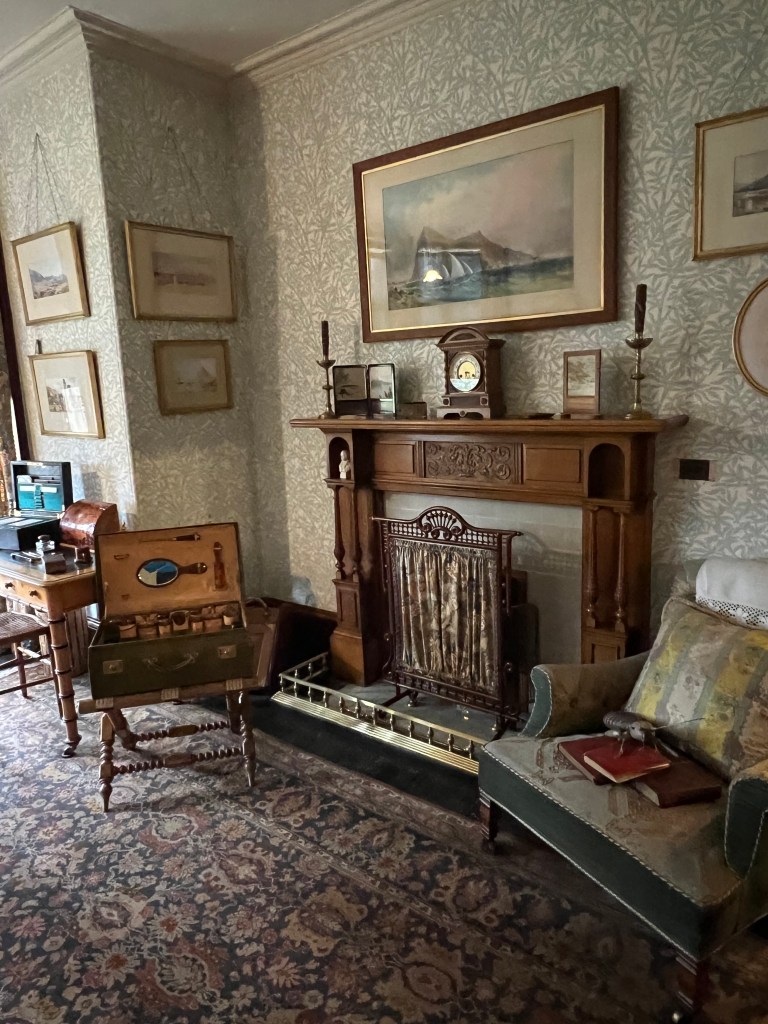
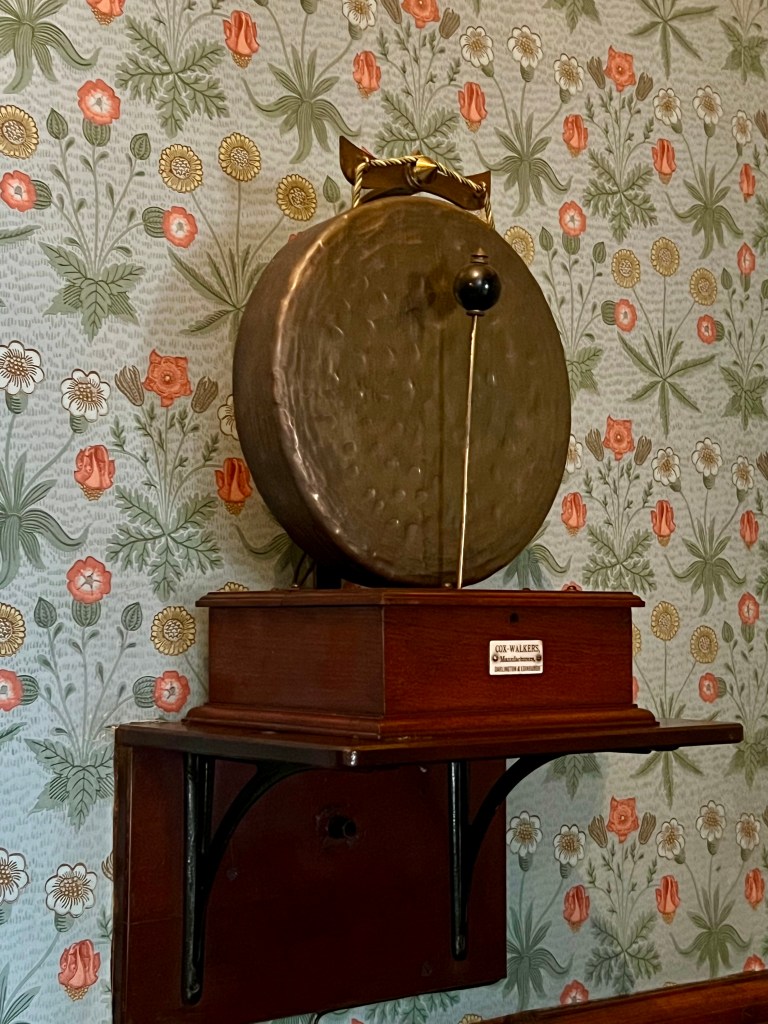
In preparation for a royal visit from the Prince and Princess of Wales in 1884 all rooms were installed with hot and cold running water, central heating, electric light and servant call bells.
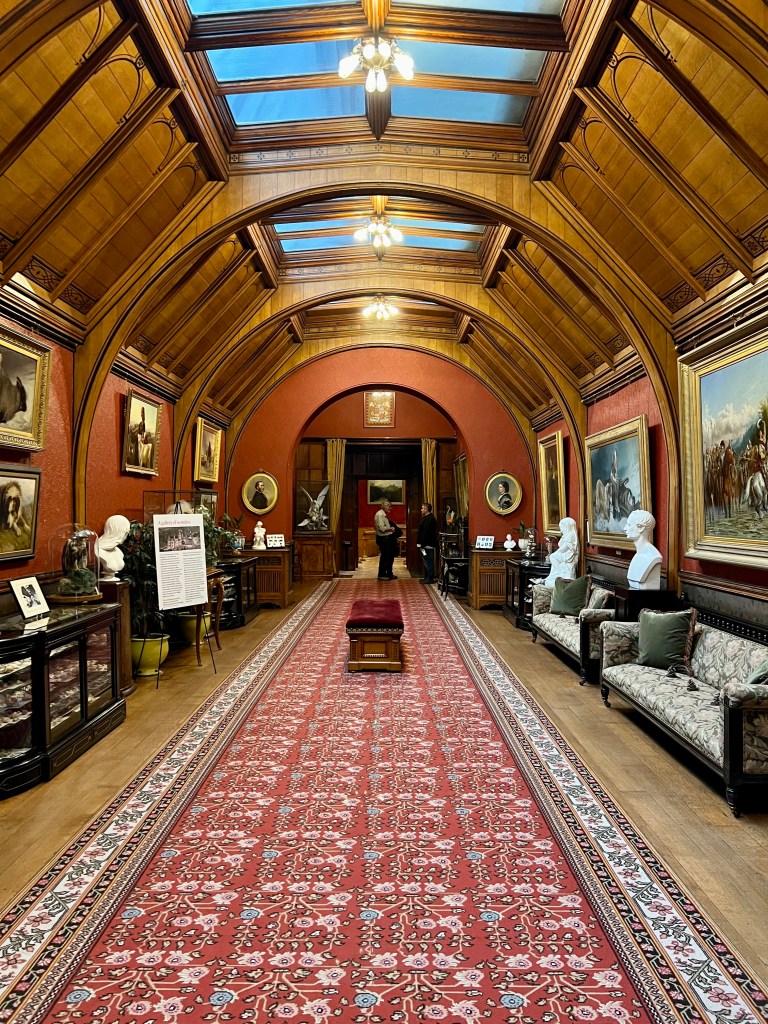
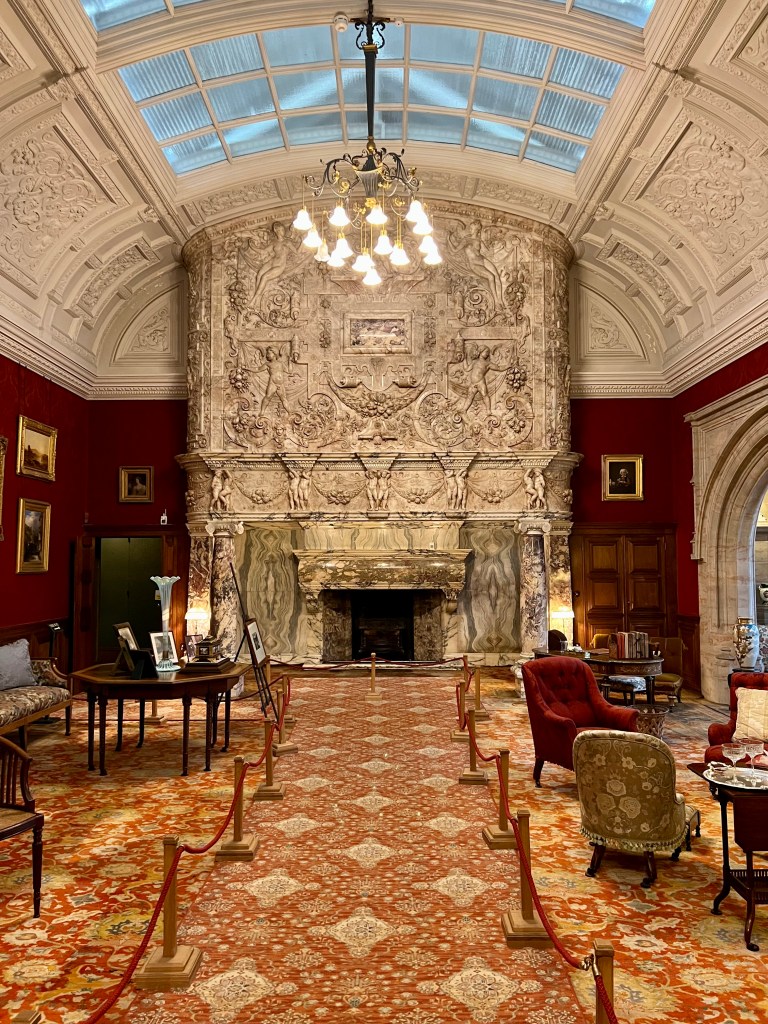
The final part of the house is a spectacular glass ceilinged gallery diplaying many works of art which leads you in to a drawing room with the biggest carved fireplace I have ever seen.
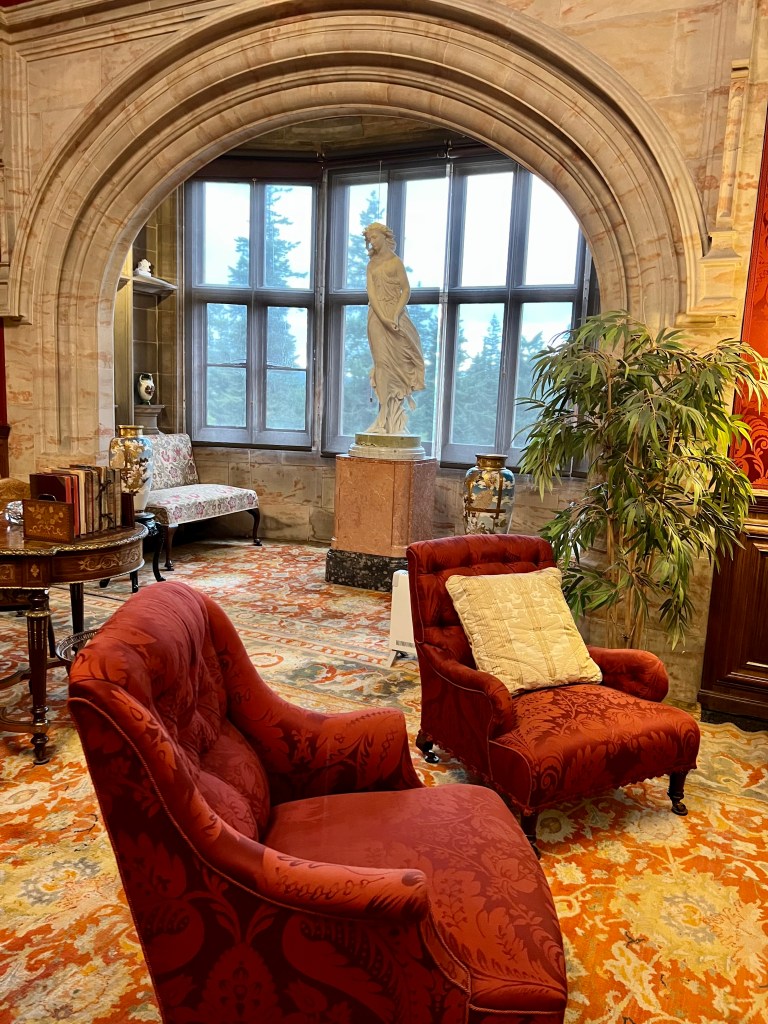
The tour finishes with the billiard room, complete with heated seating area for visitors and Lord Armstrong’s laboratory.
The Grounds
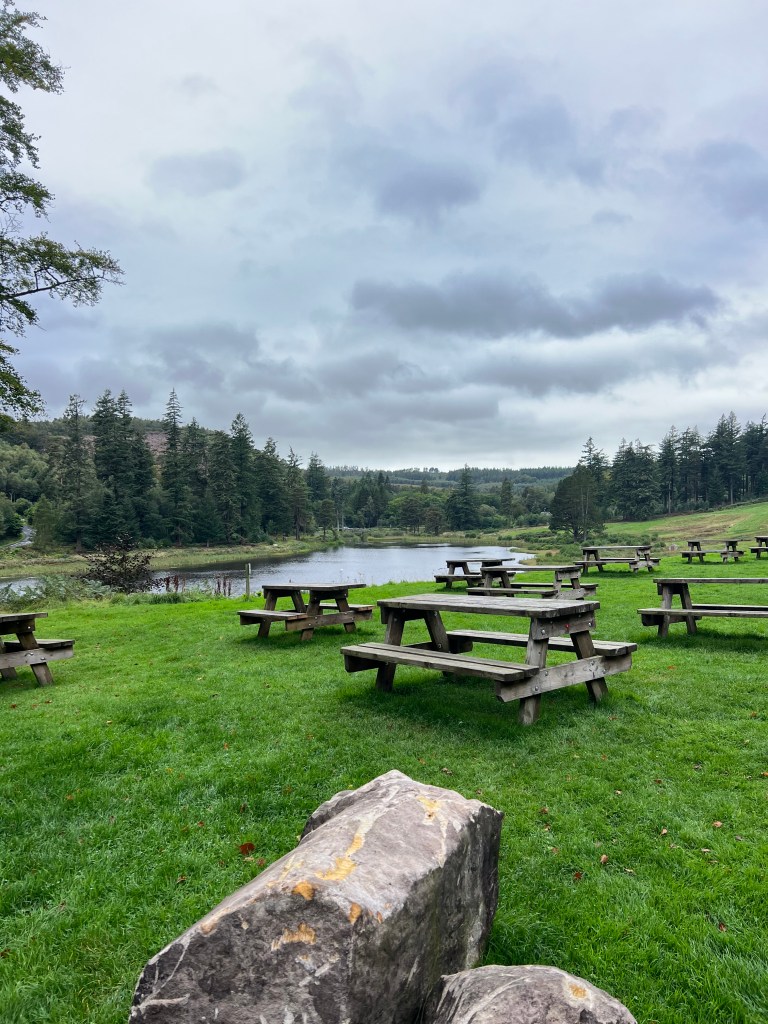
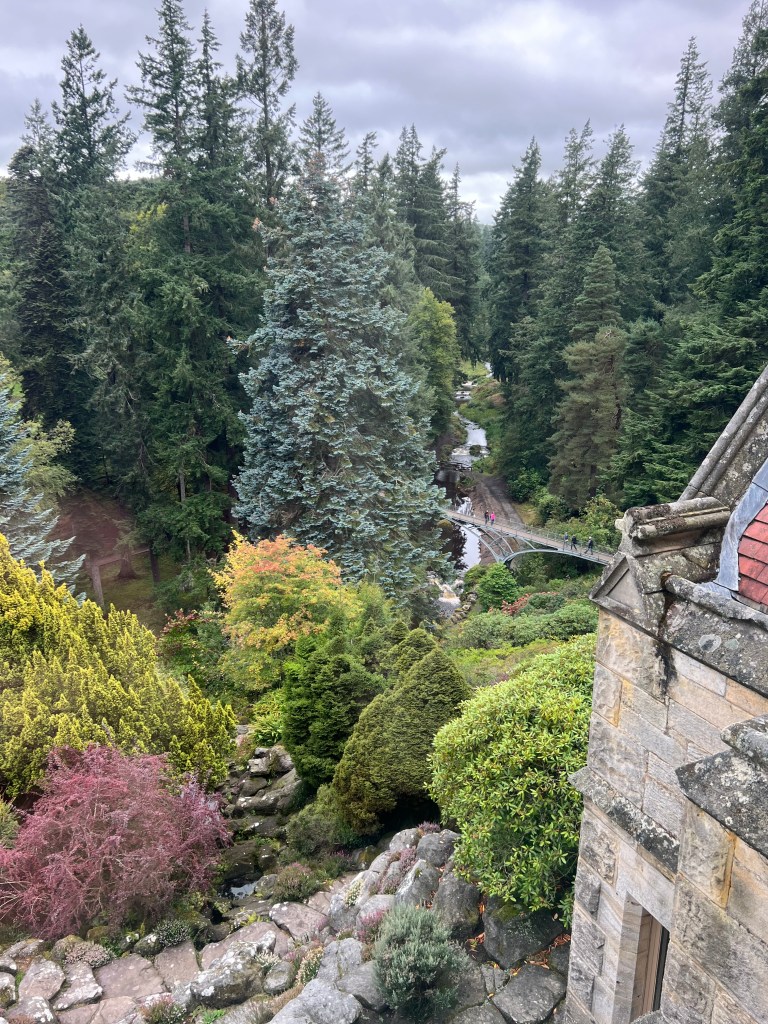
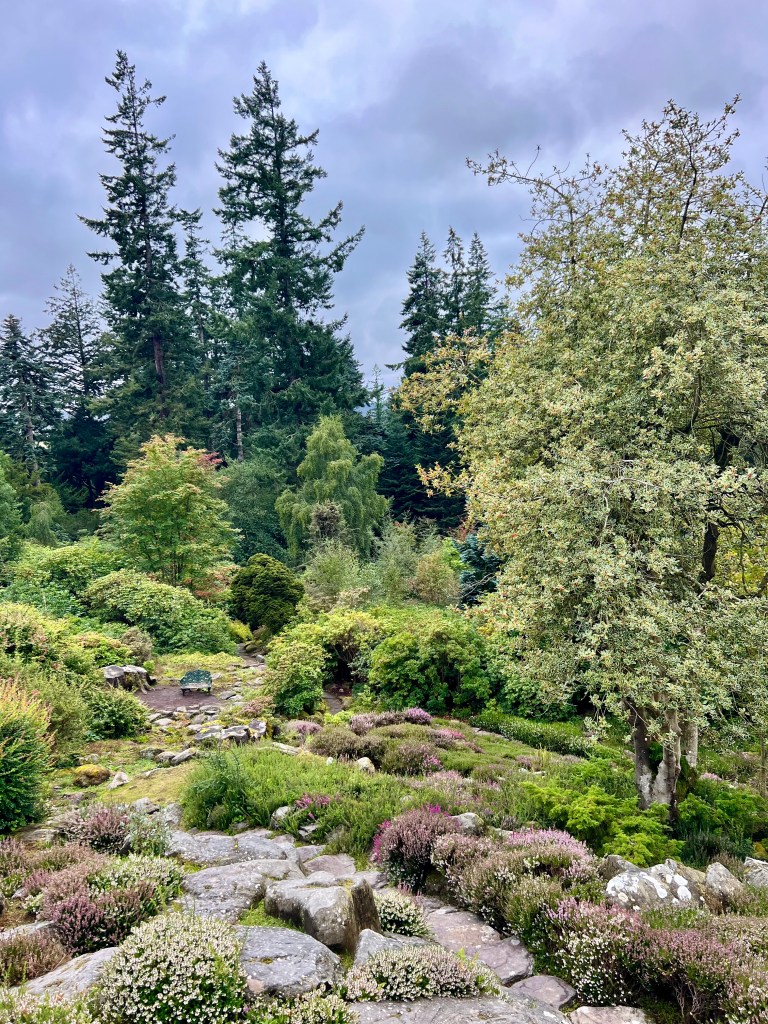
The grounds include the formal garden and rock garden. The pump house and power house which hold the original hydroelectric machinery. There is a 6 mile carriage drive around the estate which can be done in your car and many walking trails. We didn’t have the time to explore the grounds on our visit but will definitely be back.
Food
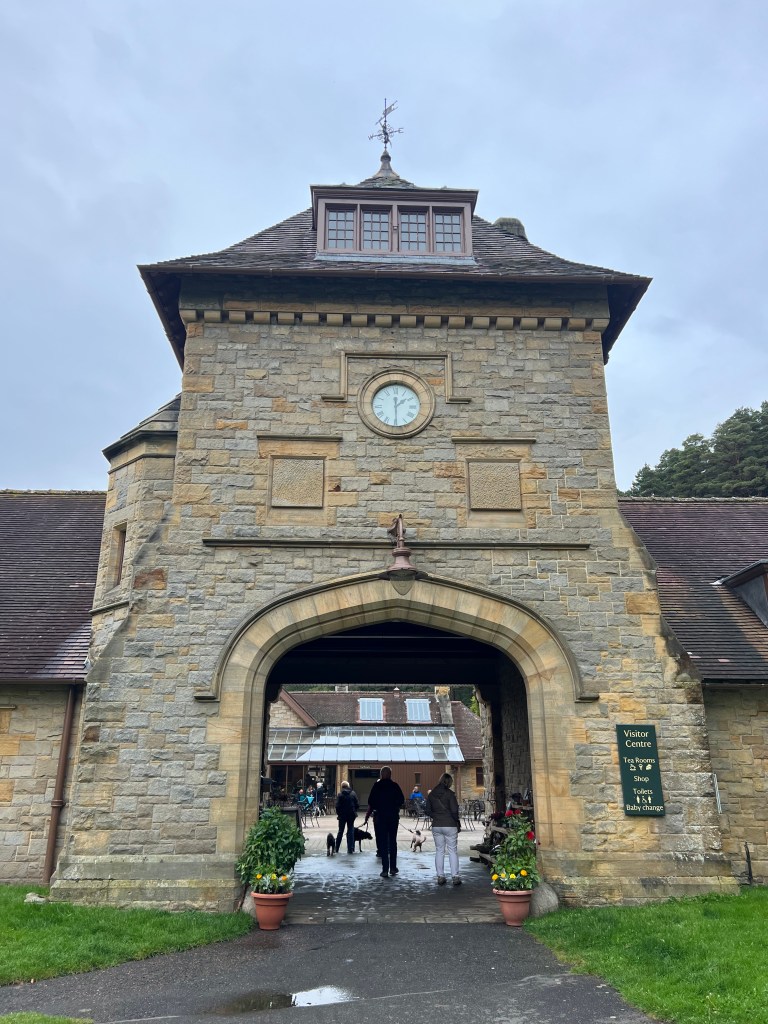
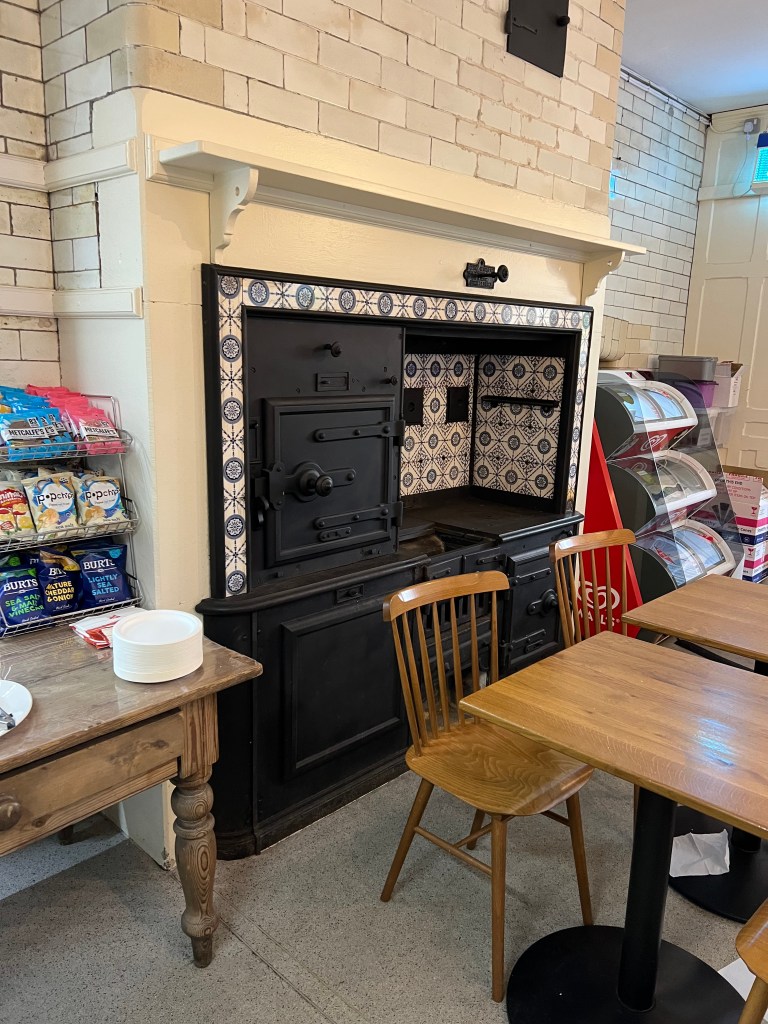
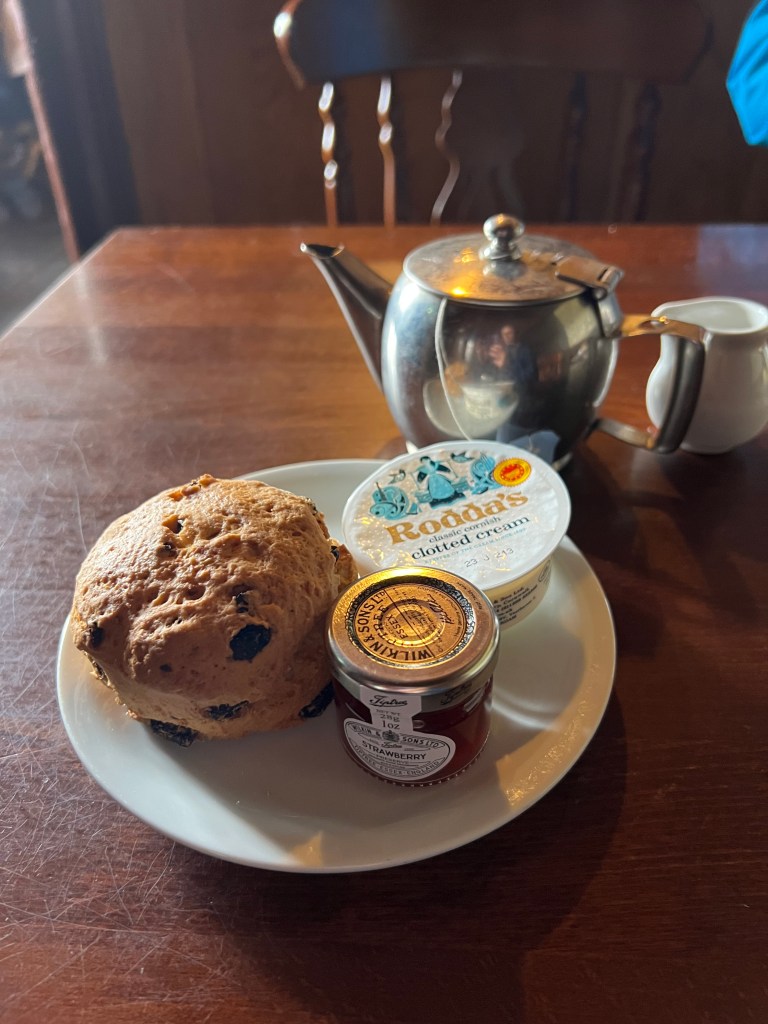
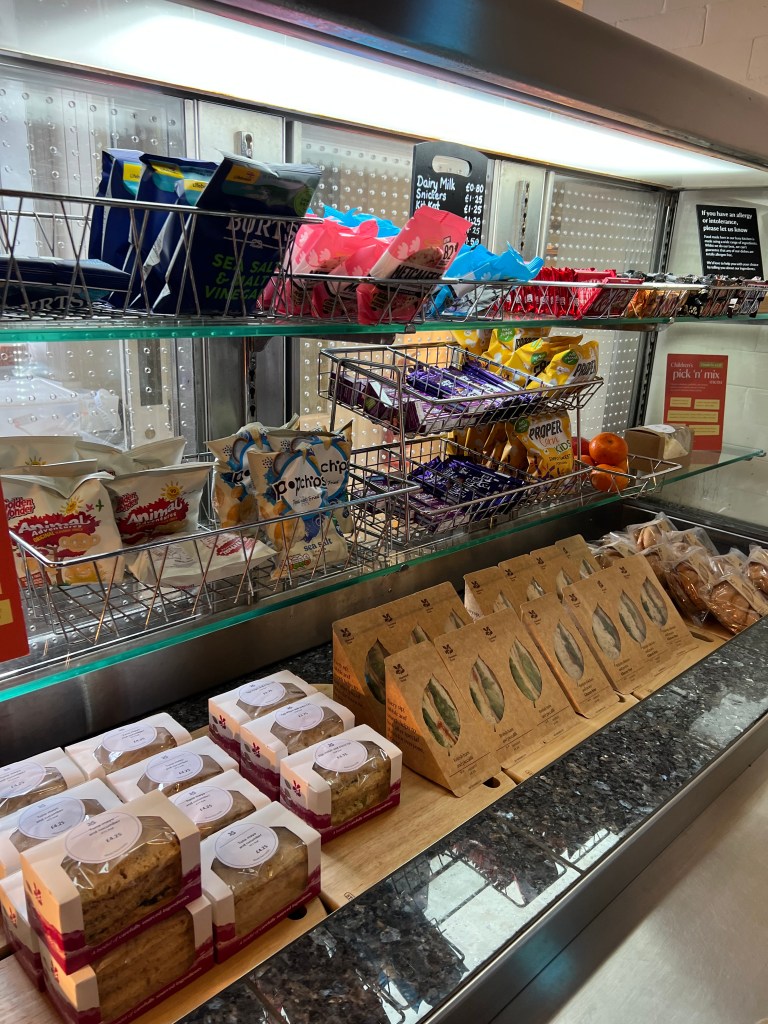
The main cafe is in the visitor centre and located in the old stables, seating is spread out over several rooms including the actual stable stalls which is a dog friendly area. The cafe serves traditional National Trust cakes, hot and cold drinks, sandwiches and light meals.
There is also The Still Room which is in the house courtyard that serves hot and cold drinks and a smaller selection of cakes and snacks and Croziers, near the play area, for refreshments on the go.
Shop
The shop is located in the visitor centre and sells a wide range of National Trust goodies and books. They will also stamp National Trust passports.
Accessibility
The site is large and laid out on several levels so is not ideal for those with mobility issues. There are some disabled parking spots outside of the tea rooms and there is a mini bus that will take you to various spots around the estate.
Full access information can be found here.
Child friendly
There were two house trails when we visited. The first was to find a set of bugs hidden around the house, each was a typ[e of bug that can be found in old houses and can be dangerous for the preservation of the house and contents. Each bug was about a foot long so easy to spot and came with an explanation of what they damage or eat and how they protect against them. The second trail was a series of photos a small section of a nearby object for you to find. Pip enjoyed both and it kept her engaged. As usual the staff and volunteers around the building were great at telling stories and bringing the house to life. There are also Cragside Explorer bags available for under 5s.
Outside there is an adventure play area and labyrinth.
We visited in September 2023.
 Go everywhere, Do everything